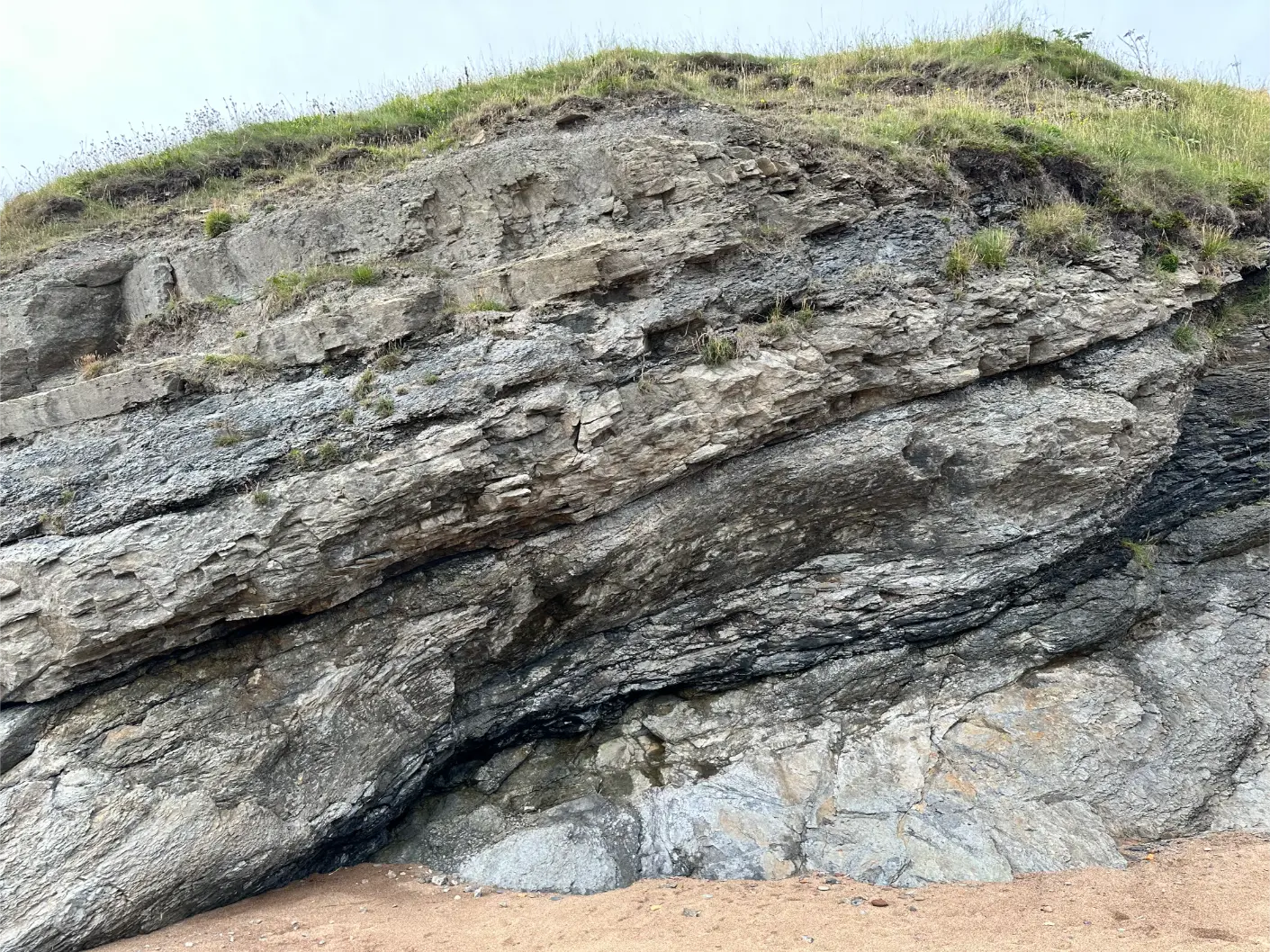
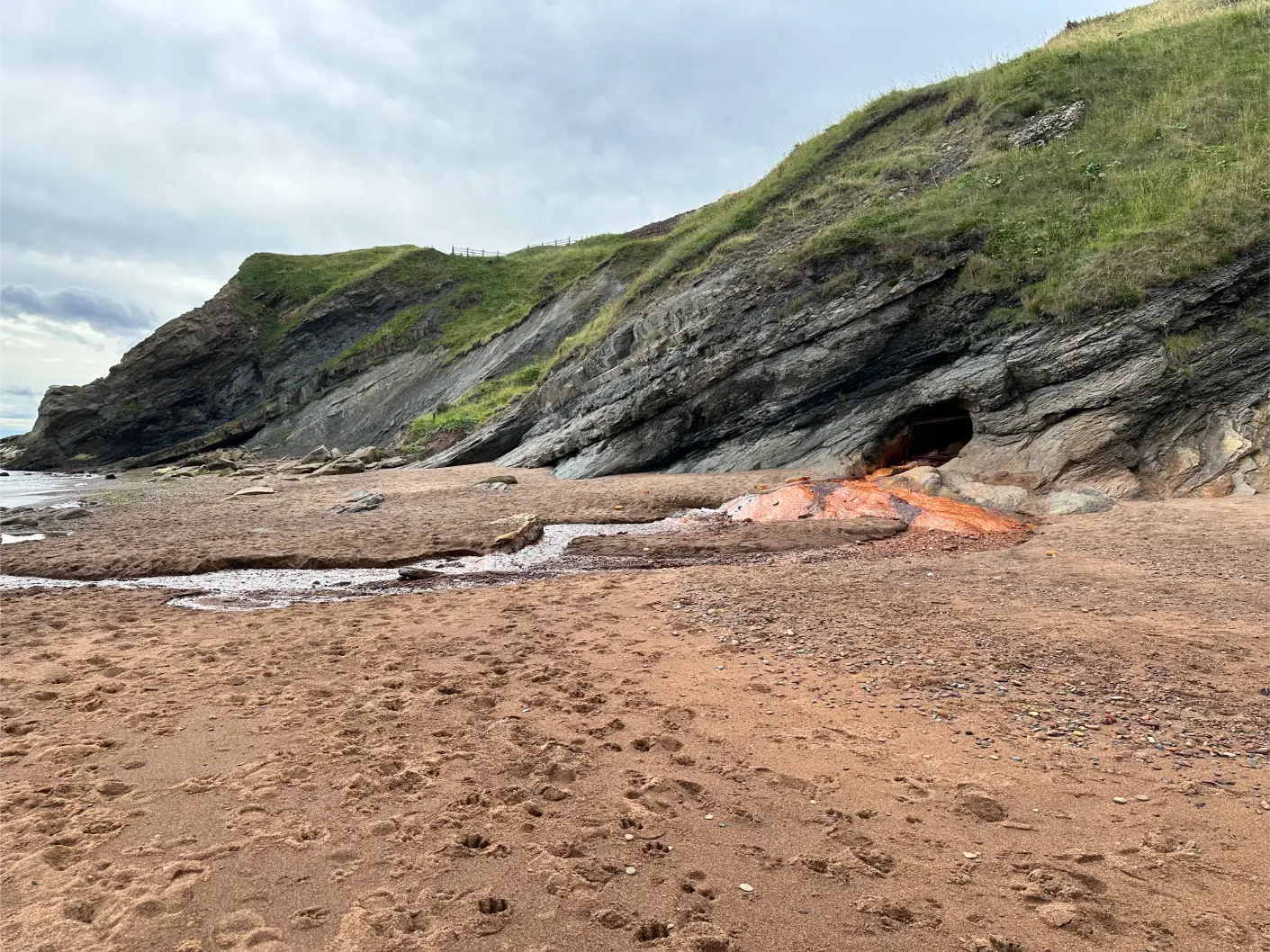
Groundwater is very important for our environment and our everyday lives. It is a key part of the natural water cycle.
Groundwater accounts for around 99% of liquid freshwater on Earth.
The United Nations World Water Development Report 2022.
It is really important for drinking, farming, and industry.
When water moves through soil and rocks, it gets cleaned naturally. This helps to remove dirt and harmful substances, making the water cleaner.
Groundwater is found in aquifers, pore spaces of rock and soil, and voids that are located underground. These can vary in size and depth, and they are replenished when it rains or when water infiltrates from the surface.
Groundwater is important for different ecosystems, like wetlands and rivers. It helps to keep water levels steady and provides homes for plants and animals.
The way groundwater moves underground can be influenced by how porous the soil is, the cracks and fractures in the layers of rock, and the presence of natural and artificial tunnels and empty spaces.
Groundwater can be harmed by pollution, overuse, and changes in the climate. This shows why we must take care of it and manage it wisely to keep this important resource safe.
Geology is the study of the Earth, including its rocks, minerals, and how it changes over time.
Geologists look at how the Earth is formed, how it changes, and what natural resources it has.
Hydrogeology is the study of how water moves through the ground and how it interacts with rocks and soil.
It looks at where groundwater is found, how it travels, and how it affects the environment.
Mine blocks are large sections of land that are set aside for mining activities.
There are several mine blocks across the northeast of England, generally named after locations, for example, the Blaydon minewater block.
Mineworkings refer to the areas and structures involved in the extraction of minerals or resources from the ground, such as coal, metals, or other materials. This includes the tunnels, shafts, and pits that miners create to access and remove these resources. Once mining is completed, these workings can be left behind and may affect the surrounding environment, including groundwater. Understanding mineworkings is important for managing safety and environmental impact.
Groundwater recharge is the process where water from rain, snow, or other sources seeps into the ground and fills up porous rock or soil called aquifers. This is important because it helps to keep the groundwater levels stable, which people, plants, and animals depend on for drinking water, irrigation, and other needs.
Groundwater rebound is when the level of groundwater rises back to its natural level after it has been lowered by mining.
Perched groundwater is a small pool of water that sits above the main level of groundwater. It happens when a layer of hard soil or rock blocks the water from going deeper. Water collects above that layer instead of sinking down. This can give plants water, even if the main groundwater is at a lower level.
What is groundwater flood risk?
When the groundwater underground rises too high and comes up to the surface, this can cause areas that are usually dry to become wet or flood.
When soil becomes saturated from prolonged rain, it can lead to faster groundwater rise, increasing flood risk.
Groundwater flood risk can vary by season, often being higher during spring due to snowmelt and heavy rains or prolonged rain.
Groundwater flooding can damage homes, roads, and crops, and it can lead to problems like mould and water contamination.
This type of flooding can last longer than surface flooding because it takes time for the groundwater to drain down.
Urban development and deforestation can change how water is absorbed into the ground, affecting groundwater levels and flood risk.
It can damage homes and buildings without showing big signs (like rivers overflowing). This can lead to problems that last a long time.
The term forgotten flooding is sometimes used to describe groundwater flooding because it is often less visible and receives less attention compared to surface water and river flooding.
“It is difficult to predict groundwater flooding. Groundwater levels are not monitored in every part of England.”
The North East was a major centre for coal mining from the eighteenth century until the late twentieth century, playing a crucial role in the industrial revolution.
In areas with historical mining activities, the impact of mine workings on groundwater movement can be significant.
Read The PGN Handbook here
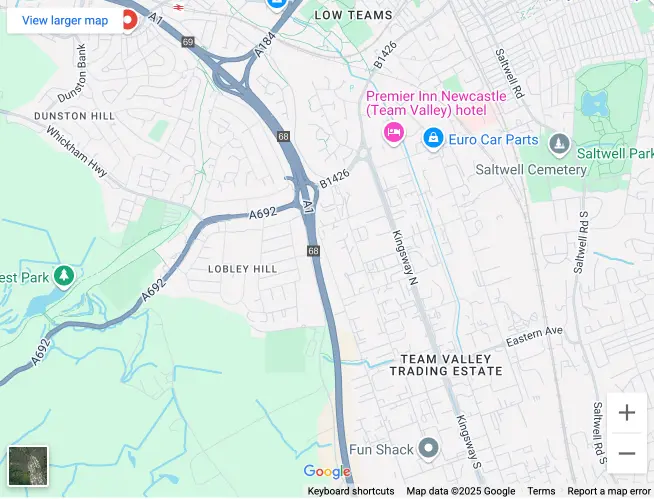
The pilot sites for the study area are MetroGreen Spittal, and Kibblesworth.
MetroGreen, located in a natural valley along the south banks of the River Tyne, has been identified as an area with significant developmental potential. However, its location makes it vulnerable to rising groundwater levels and groundwater flooding.
![]()
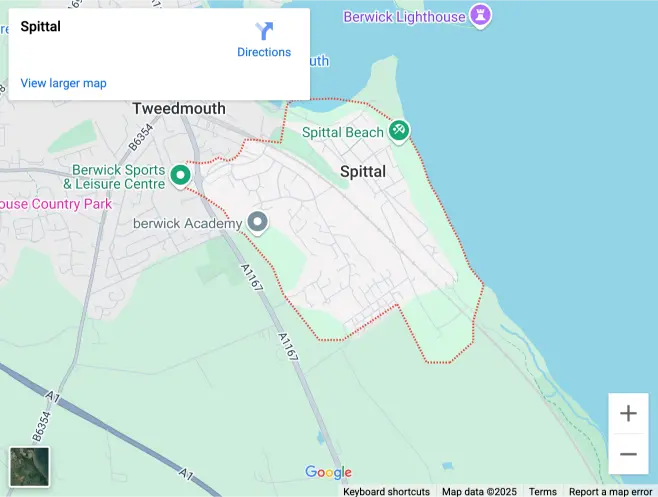
Spittal, a Northumberland town, is renowned for its beautiful beaches.
However, parts of the town are prone to flooding, with groundwater flooding a common problem. We will be investigating the interaction between the natural groundwater system and mine workings to identify areas that could be affected by groundwater flooding.
![]()
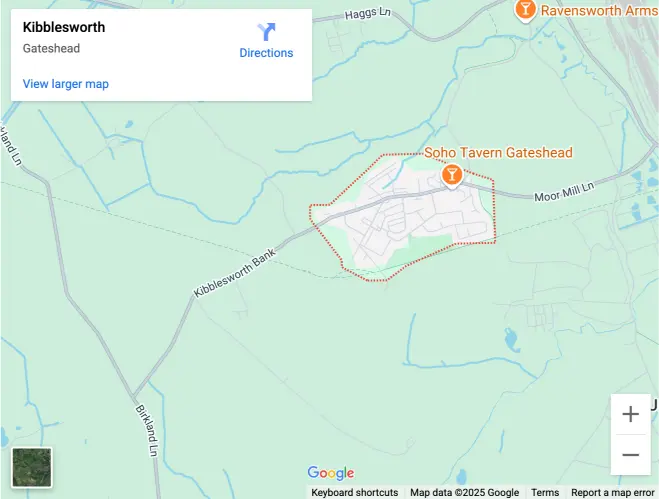
Kibblesworth, an old mining village in Gateshead with a rich mining heritage, has a history of groundwater problems.
The study area in Gateshead is situated along the north bank of the River Tyne, passing through urbanised areas. Reports of flooding in this area date back to 2016, primarily affecting public highways.
![]()
© Copyright Project Groundwater Northumbria 2025. All rights reserved